

Protein: How Much Is Enough Each Day?

Jules Walters • Published: Nov 27, 2025
As we age, the word protein takes on new importance. Protein isn’t just for bodybuilders. It’s foundational for maintaining muscle, bone health, immune response, and overall vitality. For those of us over 60, getting the right amount of protein daily becomes especially important because our bodies become less efficient at using it.
Protein is the building block of muscle, connective tissue, bone, skin, and nearly every cell in the body. But, unlike fat or carbohydrates, your body has no way to store protein. When you don’t eat enough, there’s no buffer.
For older adults, low protein intake can contribute to sarcopenia, the progressive loss of muscle mass and strength that often comes with age.
Current Recommendations — and Why They Might Fall Short

The traditional guideline — the Recommended Dietary Allowance (RDA) — is 0.8 grams of protein per kilogram of body weight per day for adults aged 19 and older. For someone who weighs 165 pounds (about 75 kilograms), that works out to roughly 60 grams of protein daily.
It’s important to keep in mind that this guidance is designed to prevent protein deficiency. It’s the recommended MINIMUM. If you really want to optimize muscle, aim for more.
Emerging research suggests the RDA may underestimate the needs of older adults. For many over 60, consuming 1.0 to 1.2 grams of protein per kilogram of body weight per day may be more beneficial.
Some experts even point to a higher range — especially for those trying to preserve muscle mass, strength, and function — recommending 1.2 to 1.6 grams per kilogram per day. So for the same 165-pound (75-kg) individual, that could mean 90 to 120 grams of protein daily.
You can check the references at the end of this article, if you want to dig in more.
When We Eat Protein Also Matters

Moreover, it’s not just about how much we eat — how we spread it out matters too. Many older adults cluster protein in their evening meal, leaving breakfast and lunch relatively low. Distributing protein more evenly — for example, 25–30 grams at breakfast, lunch, and dinner — helps maximize muscle maintenance and reduce the risk of muscle loss over time.
Finally, higher protein intake in older adults has been linked with better preservation of lean mass, strength, and physical function.
What About Very High Protein — Is There a Risk?
Most healthy older adults can safely consume protein at the higher end of recommended ranges. But as with anything, balance matters.
Eat protein as part of a balanced diet that includes carbohydrates and fats. Guidelines for healthy eating generally suggest protein should make up 10–35% of your daily calories.
What This Means for You — Practical Guidance if You're Over 60+
Here’s a simple way to think about daily protein targets if you’re in your 60s, 70s, or beyond:
Aim for about 1.0–1.2 g of protein per kilogram of body weight per day as a baseline. If you weigh 70–80 kgs (about 155–175 lbs), that’s roughly 70–95 grams per day.
If you’re active, trying to maintain or build muscle, or recovering from illness, you might benefit from 1.2–1.6 g/kg/day, which for many people equals 85–120 g/day.
Distribute protein across your meals — try to get 25–30 g at breakfast, lunch, and dinner, rather than having most protein in one big dinner.
Prioritize high-quality proteins: foods that contain all essential amino acids; such as lean meats, fish, eggs, dairy (if tolerated), or — for vegetarians/vegans — legumes, soy, nuts, and seeds.
Why Protein Matters for More Than Muscle

While maintaining muscle mass is a key benefit, protein also supports far more than just muscle:
Immune function: Protein is essential for building immune cells and healing tissues.
Bone health: Alongside calcium and vitamin D, sufficient protein helps support bone maintenance, which becomes especially crucial with age.
Skin, hair, connective tissue, organs: Protein supports the integrity and repair of all tissues — not just muscle.
Metabolic health: Having sufficient lean muscle helps maintain metabolism, mobility, and independence.
Simple Protein-Rich Choices

Here are some examples of protein-rich foods and rough portion sizes that can help you reach those 70–120 gram-per-day targets:
- Protein shake with fruit → 20g protein
3–4 oz (deck-of-cards size) cooked chicken, turkey, fish, or lean beef → ~20–25g protein
1 large egg → ~6g protein
½ cup cooked beans or lentils → ~7–9g protein
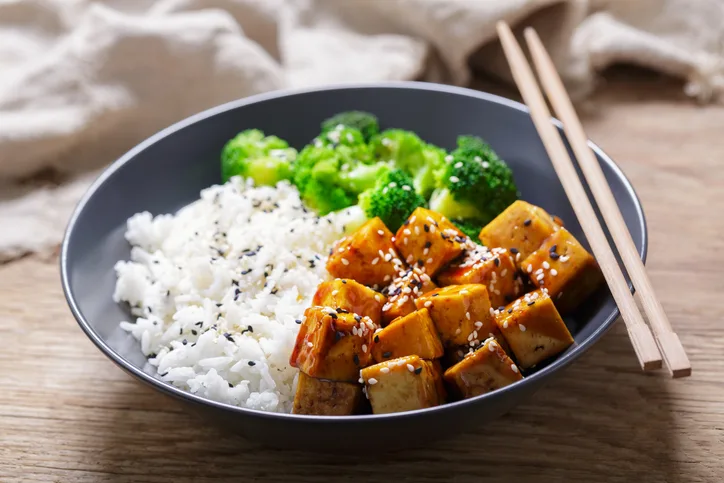
½ cup tofu (firm) → ~10–12g protein
1 cup Greek yogurt → ~15–20g protein
¼ cup nuts or seeds → ~5–7g protein
Spreading combinations of these through breakfast, lunch, dinner — and perhaps a snack — makes reaching a higher protein goal manageable, without needing big, heavy meals.
Final Thoughts — Thriving, Not Just Surviving
For many of us over 60, maintaining strength, mobility, independence, and vitality is a top priority. Good nutrition — including enough protein — can make a real difference, especially when combined with physical activity (even gentle strength training, walking, resistance bands, or body-weight exercises).
Instead of treating the RDA as a target, think of it as a minimum. Aim a bit higher — around 1.0 to 1.2 grams per kilogram per day, depending on your weight, activity level, and health goals. Spread that protein evenly across meals. Choose high-quality, varied sources. And let protein be one of many tools in your health toolkit as you move through your 60s, 70s, and beyond.
After all, we’re not just trying to survive. We’re trying to thrive.
References
- Is It time To Reconsider the US Recommendations for Dietary Protein and Amino Acid Intake? https://pmc.ncbi.nlm.nih.gov/articles/PMC9963165/
- Muscle Tissue Changes With Aging – https://pmc.ncbi.nlm.nih.gov/articles/PMC2804956/